← Home · Foundations

Shallow Foundation Design in Los Angeles That Meets Seismic Code

Together, we solve the challenges of tomorrow.

LEARN MORE →

Shallow foundation design in Los Angeles starts with one non-negotiable reference: ASCE 7 and Chapter 18 of the IBC. The city sits atop a basin of soft alluvium, stiff Pleistocene sediments, and weathered bedrock, all capable of amplifying ground motion. Bearing capacity here is never a textbook number. Every footing and mat foundation must account for differential settlement, liquefaction potential, and the seismic demands written into the Los Angeles Building Code. Our approach pairs site-specific geotechnical data with CPT testing to map stratigraphy continuously. When the upper 10 feet show inconsistent fill or organic lenses, we often supplement with test pits to visually confirm what the cone resistance suggests.

Bearing capacity in LA is a seismic problem first and a soil mechanics problem second.

Methodology and scope

Los Angeles sits at 285 feet above sea level, but that single number hides a geologic mosaic. Within a 5-mile radius you can go from dense alluvium near the LA River to expansive clay in Baldwin Hills to weathered shale in Elysian Park. That variability demands more than a prescriptive bearing pressure. We define allowable bearing capacity using shear strength parameters from consolidated-undrained triaxial tests, factoring in the site seismic coefficient from the USGS hazard maps. A shallow foundation design here also requires a settlement analysis under dead-plus-live load, typically limiting total settlement to 1 inch and differential to half that. For sites near the Newport-Inglewood fault zone, we run liquefaction triggering per Seed & Idriss before sizing the mat. Where granular soils require densification, stone columns can improve bearing conditions and reduce post-earthquake settlement without switching to deep foundations.
Shallow Foundation Design in Los Angeles That Meets Seismic Code
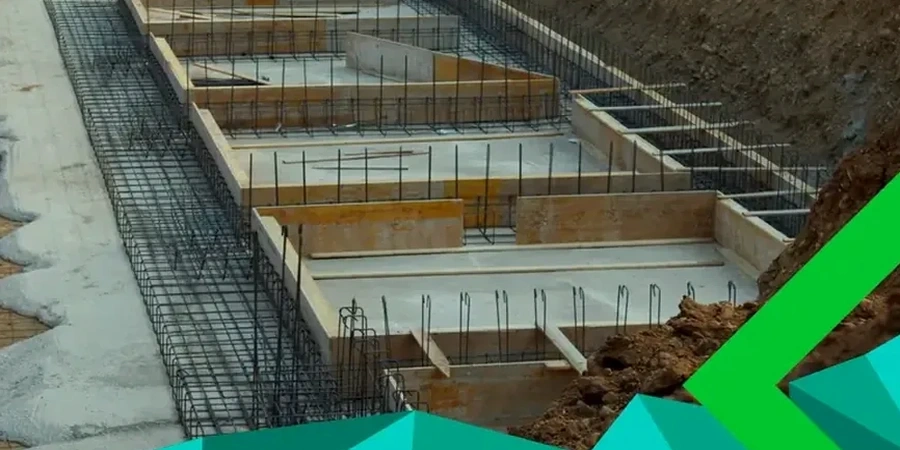
Technical reference image — Los Angeles

Local geotechnical context

A four-story mixed-use building on Sunset Boulevard settled unevenly within two years. The cause was simple: the original geotechnical report assumed uniform stiff clay, but the upper 8 feet contained a buried stream channel filled with loose silty sand. Differential settlement reached nearly 2 inches, cracking partition walls and jamming elevator doors. That failure is entirely preventable. With a correctly spaced CPT grid or a single test pit, the channel would have been identified. The shallow foundation design would have been adjusted, either by overexcavation, geogrid reinforcement, or a mat foundation with a stiffened grade beam layout. In Los Angeles, where alluvium can shift from gravel to clay in 30 horizontal feet, skipping the subsurface variability is the costliest shortcut you can take.

Need a geotechnical assessment?

Reply within 24h.

Email: info@geotechnicalengineering1.com

Reference parameters

ParameterTypical value
Typical allowable bearing pressure (alluvium)2,000–3,500 psf
Typical allowable bearing pressure (shale)4,000–8,000 psf
Minimum footing depth18 inches below finished grade
Maximum total settlement (dead + live load)1.0 inch
Maximum differential settlement0.5 inch over 40 ft
Seismic coefficient (Ss) range1.5–2.5g per USGS
Liquefaction assessment depthTop 50 feet per IBC

Other technical services

01

Bearing Capacity & Settlement Analysis

We compute net allowable bearing pressure using the general bearing capacity equation, adjusted for groundwater, eccentricity, and seismic reduction factors per ASCE 7. Settlement is estimated from consolidation and elastic half-space models.

02

Mat Foundation Design

For soft or variable soils where isolated footings won't control differential settlement, we design mat foundations with thickened edges and interior beams. We model subgrade reaction using plate-on-elastic-foundation methods.

03

Liquefaction Mitigation Under Footings

When SPT or CPT data trigger liquefaction at shallow depth, we evaluate densification options, stone columns, or ground improvement to keep the bearing stratum stable during a design-level earthquake.

Reference standards

IBC Chapter 18 – Soils and Foundations, ASCE 7-22 Minimum Design Loads for Buildings, ASTM D1586 – Standard Penetration Test (SPT), ASTM D2487 – Unified Soil Classification System (USCS)

Common questions

How deep do footings need to be in Los Angeles?

The minimum depth is 18 inches below finished grade for exterior footings, per IBC requirements. However, the actual depth is set by the bearing stratum. If the upper soil is fill or loose alluvium, we extend footings deeper to reach competent material, often 3 to 5 feet below grade.

What does a shallow foundation design cost for a typical LA project?

For a single-family residential or small commercial project, the design portion typically ranges from US$1,790 to US$2,880, depending on site complexity, number of borings required, and whether liquefaction or slope stability must be addressed.

Does LA require a geotechnical report for shallow foundations?

Yes. The Los Angeles Department of Building and Safety (LADBS) requires a geotechnical investigation and foundation design report for most new construction and major additions. The report must be signed by a California-licensed civil engineer or geotechnical engineer.
Location and service area

We serve projects in Los Angeles and surrounding areas.

View larger map